
Building Futures Through Planning: How Farchana is Shaping a Resilient Tomorrow
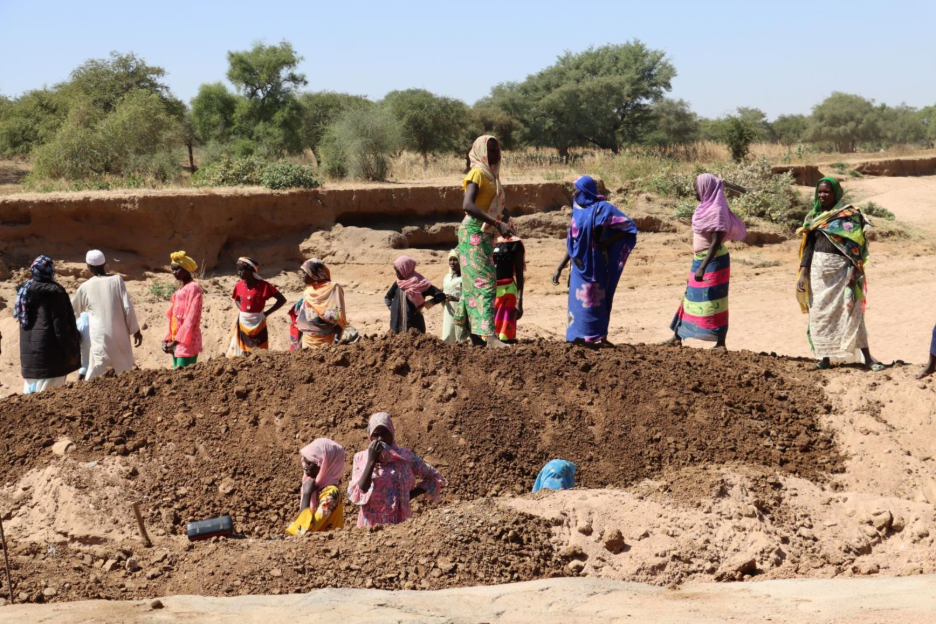
Laying the Foundations for a Resilient Tomorrow
In the remote eastern province of Ouaddaï-Chad, the town of Farchana has long stood at the crossroads of crisis and resilience. Since 2003, successive waves of refugees fleeing conflict in neighbouring Sudan have transformed the town of Farchana from a rural settlement into a rapidly growing urban centre. Once a quiet administrative post, Farchana now shelters more than 70,000 people, the majority of them refugees, placing immense pressure on land, water, and services.
A Collaborative Initiative for Sustainable Urban Growth
In 2024, UN-Habitat, in collaboration with the Government of Chad and the UNHCR, launched the Integrated Urban Plan for Farchana — the first initiative of its kind in eastern Chad. The project’s aim was both ambitious and practical:To help local authorities and communities imagine a sustainable urban future, guided by data, inclusivity, and resilience.
Mapping and Understanding the City
The project began by mapping the town’s existing infrastructure, public facilities, and growth patterns using satellite imagery and participatory field surveys. This spatial diagnosis revealed stark inequalities — informal neighbourhoods expanding without access to schools or water points, and a fragile environment facing accelerating degradation.
Engaging Communities and Setting Priorities
Through a series of community consultations and technical workshops, UN-Habitat supported local authorities and community decision-makers — both refugees and host communities, as well as representatives of youth organisations and women — to identify priorities for investment: from housing upgrading, to protecting agricultural zones, and planning new residential areas that integrate both host and refugee communities.
For the first time, local and national authorities, humanitarian actors, and residents co-created a shared vision for Farchana’s development — a roadmap that links emergency response with long-term territorial planning.
Tangible Results and Emerging Impacts
The project has already yielded tangible results:
A functional governance mechanism connecting provincial and local levels was established.
Authorities now possess spatial data and planning tools to guide decisions.
And most importantly, communities see themselves as actors of their own urban future, no longer passive recipients of aid.
A Story of Transformation
Farchana’s story is one of transformation — proving that even in fragile contexts, participatory planning can be a bridge from the struggle of displacement to dignity, and from crisis to lasting resilience. The initiative has demonstrated that when local authorities, humanitarian actors, and communities join forces, long-term recovery becomes achievable even in regions shaped by decades of instability.
Today, the Integrated Urban Plan provides a shared foundation for coordinated action across sectors — guiding investments in housing, basic services, and land management. As the plan moves toward implementation, it continues to inspire other towns in eastern Chad to adopt similar participatory approaches, ensuring that no community is left behind.
By placing people, data, and dialogue at the centre of decision-making, the project is not only shaping Farchana’s physical landscape but also strengthening social cohesion and institutional trust — key pillars for sustainable peace and urban resilience in Chad.


Comments